
The new sensing and power portfolio addresses critical size, weight, and safety challenges in physical AI, enabling near-human dexterity and high torque density in modern robotics.

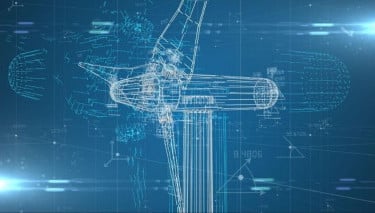
German-based Nordex Group has introduced a towering wind turbine targeted for low- and medium-wind conditions.

Independent IEC/EN 61010-1 approvals for power supplies can help OEMs save time, reduce cost, and minimize risk when bringing new test and measurement or laboratory environments to market.



Combining Mitsubishi Electric J3-Series 1300V SiC power modules with Mersen low-inductance laminated busbars to achieve high power density, optimized current sharing, and scalable performance up to 900 Arms.

The 650 V dual-side-cooled FET cuts footprint by 57% versus TOLT, while its 100V E-mode family delivers 40-70% lower switching losses and 1-3% higher efficiency than silicon.

Sign-up and receive our weekly updates including the latest news and technical articles.

In this whitepaper, we discuss what quantum computing is, what is driving its growth, the biggest threats surrounding it, and why there is significant interest in post-quantum cryptography (PQC).

Edge intelligence helps utilities modernize grid infrastructure and align capital planning with real-time operational data to manage growing energy demands.

The SDM100G series of desktop power adapters blends GaN technology with versatile USB-C Power Delivery (PD) to streamline system design for modern medical, industrial, and IoT equipment.

 Facebook
 Google
 GitHub
 Linkedin


